
Treasure Valley, Idaho · independent guide
Boise Roofers: A Homeowner's Decision Guide
Before you call anyone, understand what our heat, snow, wind and wildfire smoke actually do to a roof, what each fix really involves, and how to check the people you hire.
How to use this guide
Five moves, in this order
Most roofing regret starts with the order of operations: a bid before a diagnosis, or a signature before anyone checked a registration. This is the sequence we'd follow on our own house.
- 01
Inspect.
Start in the attic with a flashlight, not on the roof. Stains on the sheathing, daylight at nail holes and frost on cold mornings tell you more than the shingles do from the street.
- 02
Diagnose.
Name the cause before the cure. A leak at a chimney is a flashing problem; curling shingles across a whole slope are often a heat and ventilation problem.
- 03
Compare.
Line up two or three written scopes for the same work: tear-off or overlay, underlayment, ice barrier, ventilation, flashing and cleanup.
- 04
Verify.
Check the contractor's Idaho registration and insurance yourself, and ask who pulls the permit. It takes ten minutes and skipping it is the most common shortcut.
- 05
Decide.
Choose on scope and paperwork, not on the size of the yard sign. Then keep every document: contract, permit, invoices and product details.

06 guides
The decision guide, chapter by chapter
Each chapter answers one question a Treasure Valley homeowner actually faces. Pick the one that matches what you are looking at today.
-
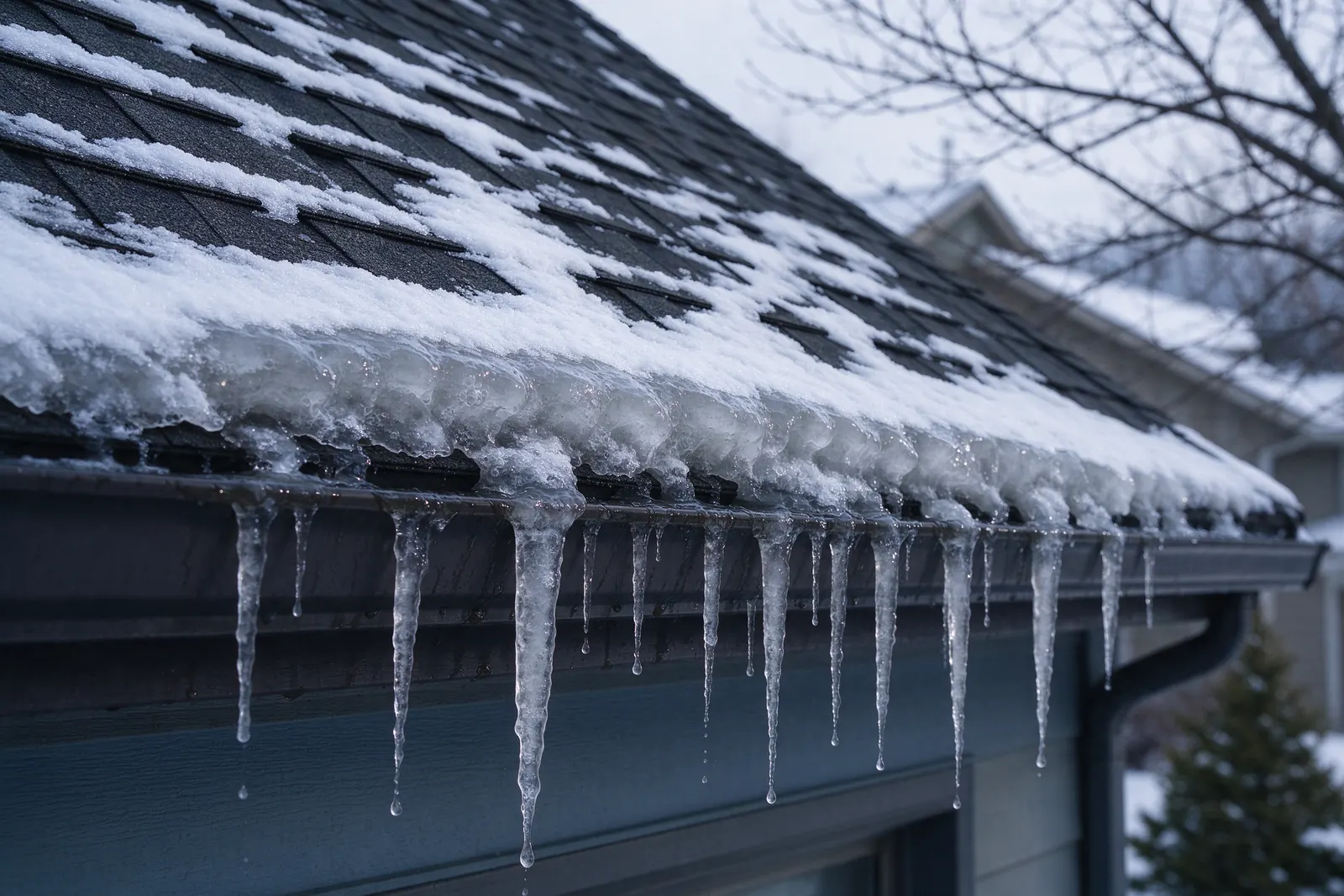
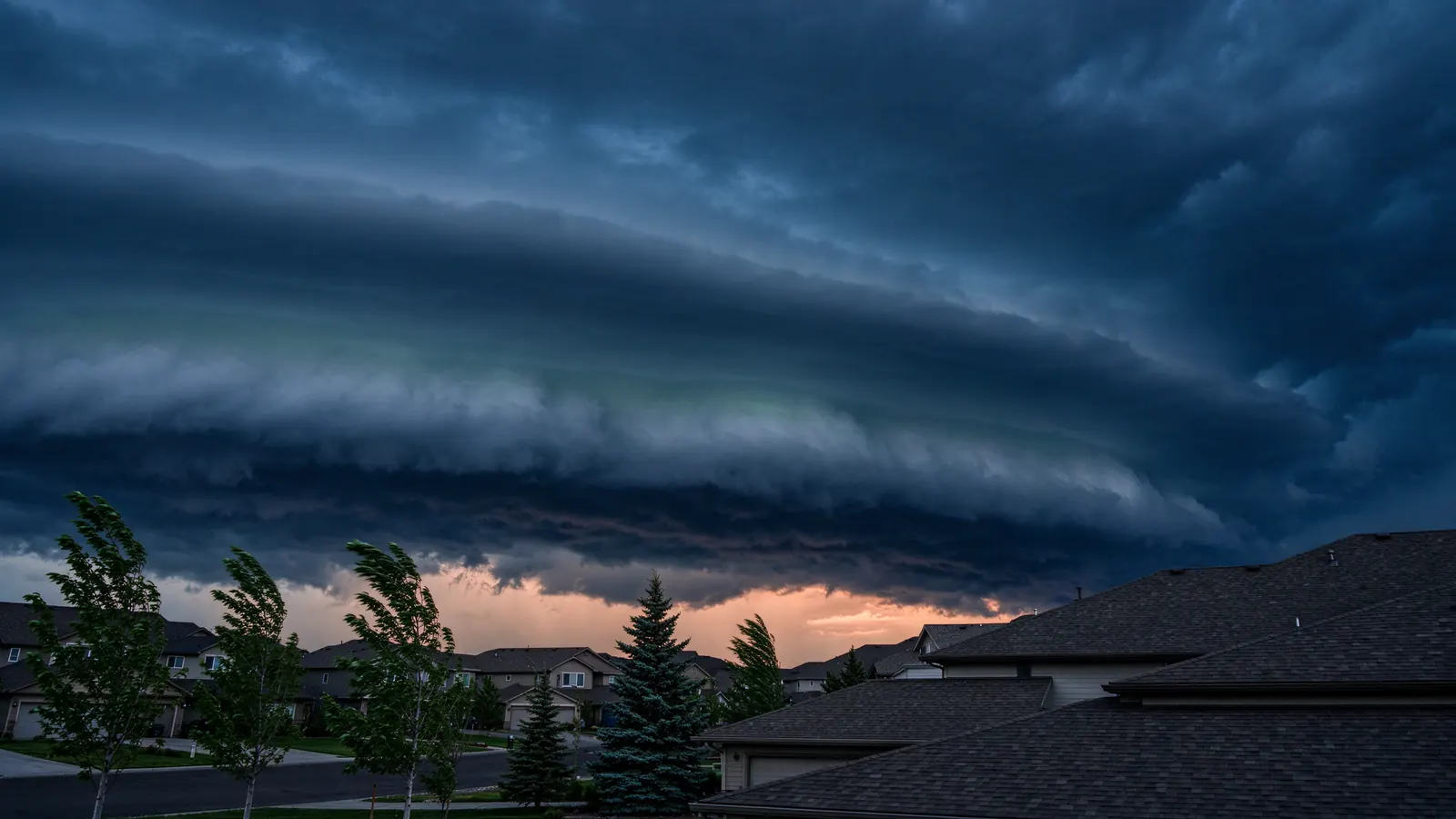
Heat, UV, snow load, ice dams, wind and wildfire embers. Why summer heat and UV age shingles from the top down, why snow and ice fail them from the eaves up, and what embers mean for vents.
Read the guide -
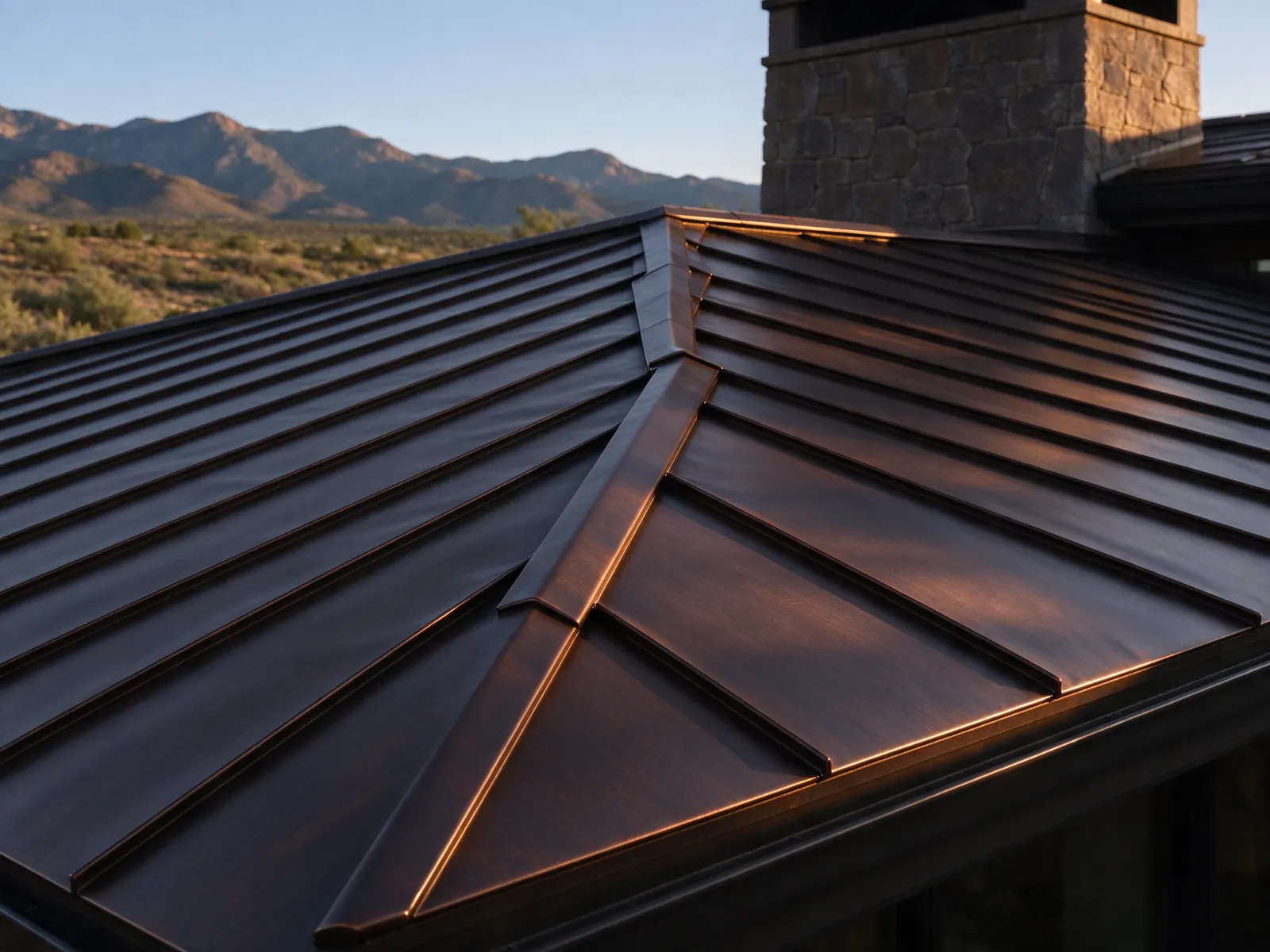
Asphalt, metal, tile and low-slope membranes side by side. How the four common roof types behave in hot, dry summers and cold winters, and what each asks of the framing and the budget.
Read the guide -
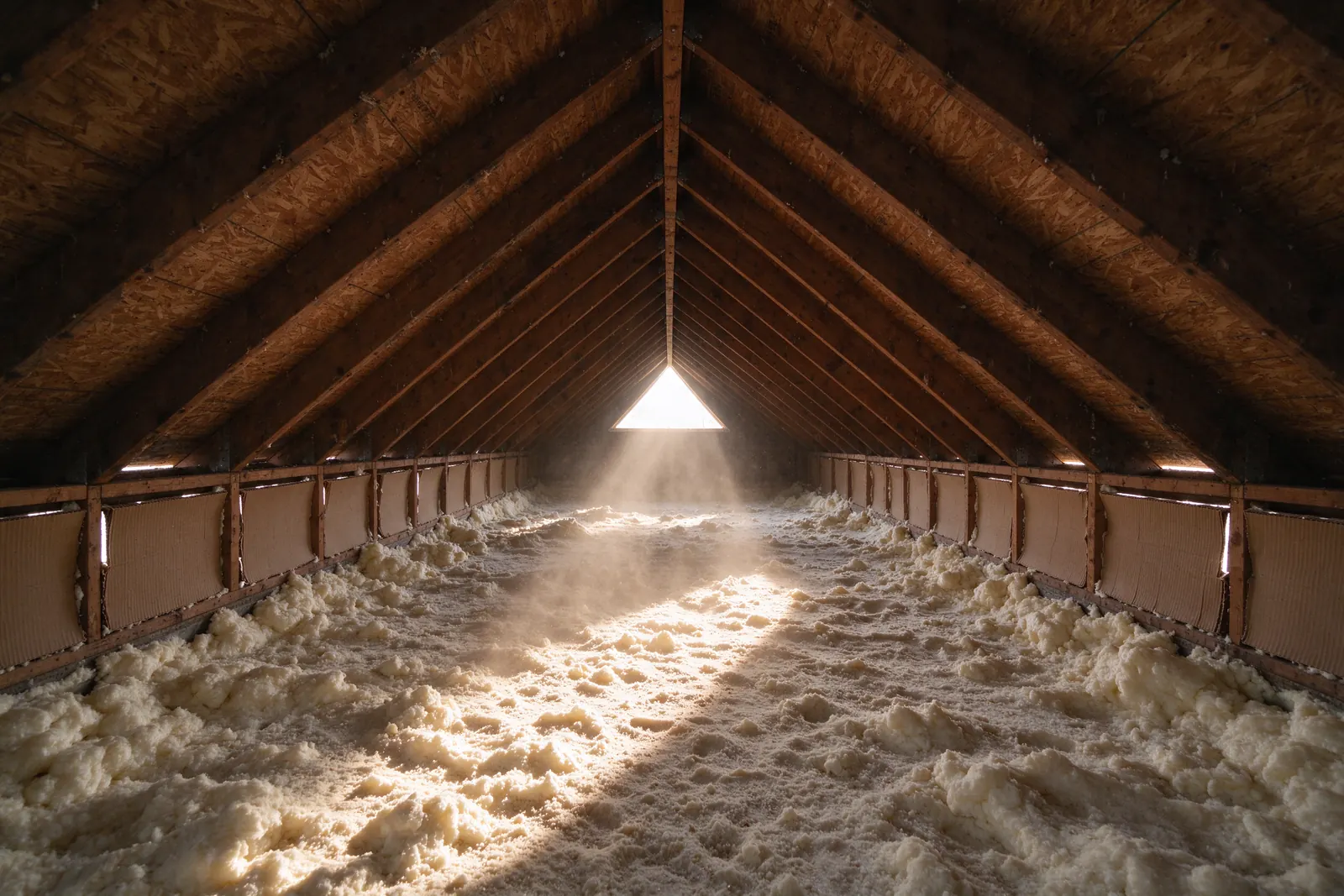
Intake, exhaust and why the attic decides roof life. The attic is the engine room of a roof. Intake, exhaust and air sealing decide whether shingles bake and eaves ice up.
Read the guide -
A decision tool and the signs that tip it. The signs that point to a repair, the signs that point to a full tear-off, and a quick tool to see where your roof falls.
Read the guide -
Documenting damage and how claims generally work. What to photograph after wind or hail, how claims generally move, and the paperwork habits that help you either way.
Read the guide -
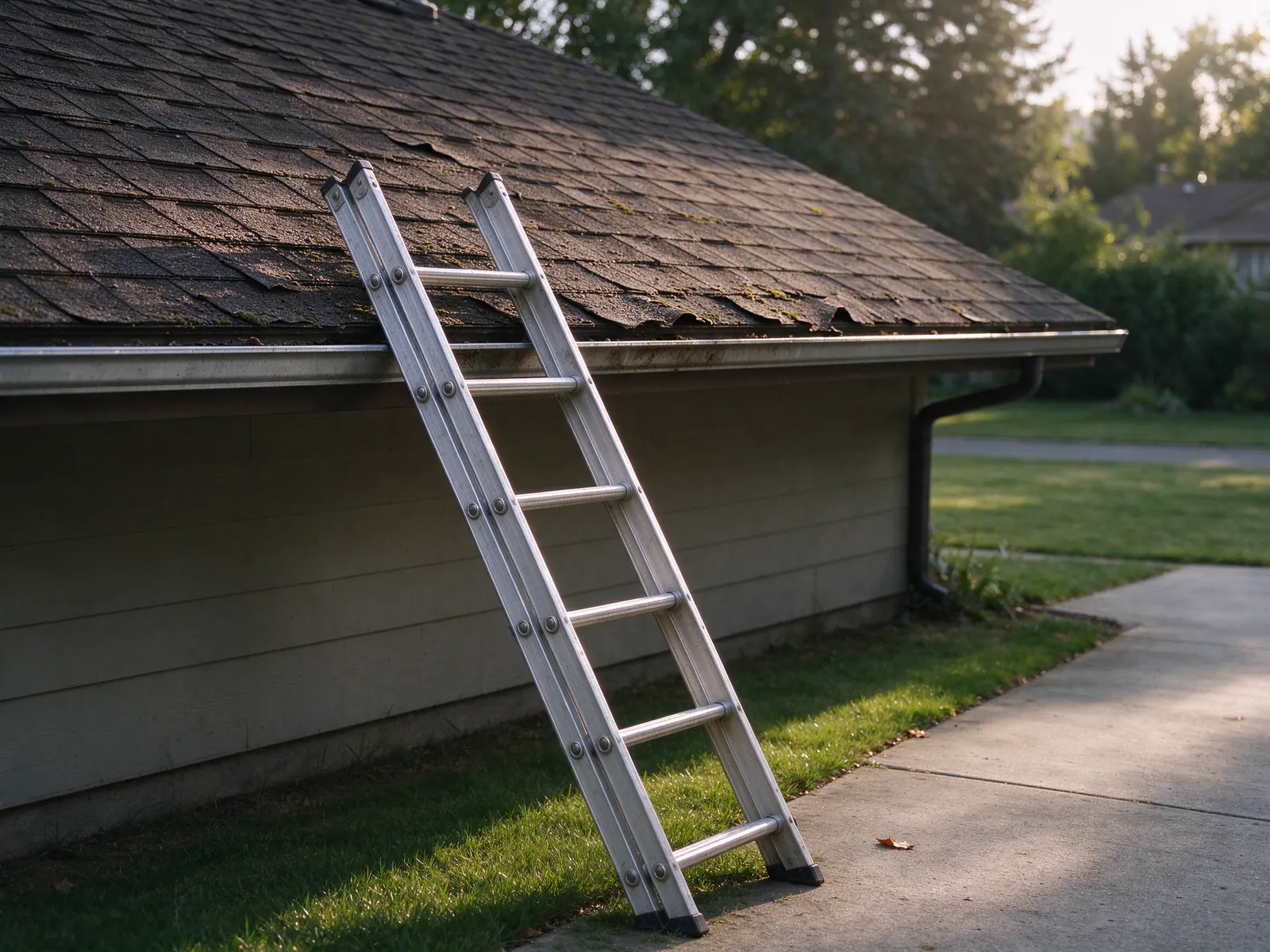
Registration, insurance, permits and the written bid. Idaho contractor registration, insurance, permits and a written scope: the checks to make before anyone climbs a ladder.
Read the guide
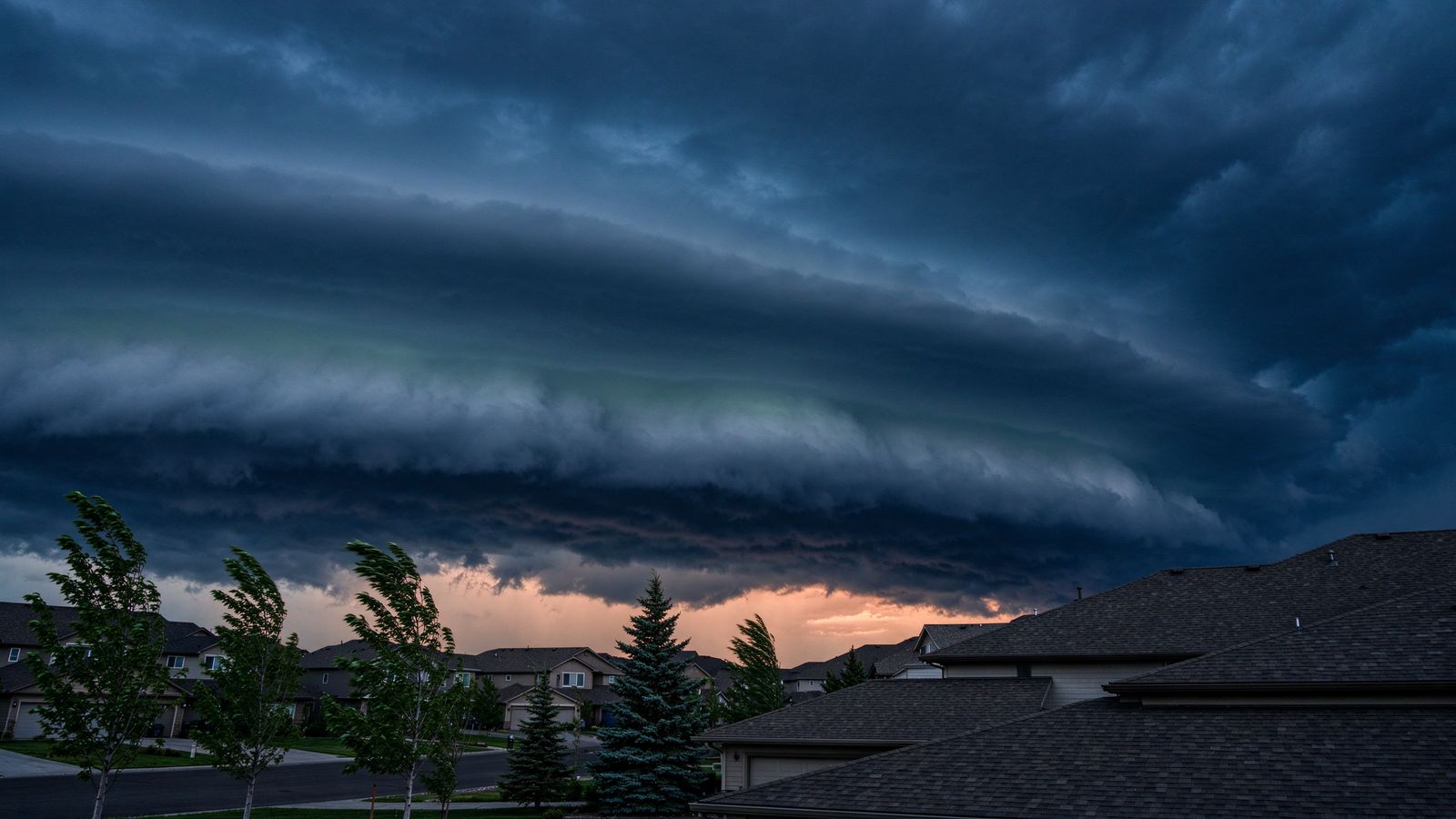
Treasure Valley roof stresses: heat in summer, snow in winter, embers in fire season.
Sheet 02 · Principles
Four rules for a Treasure Valley roof decision
Hover or tap a rule below. These are the habits that separate a roof that lasts from one that gets redone early.
Rule 01
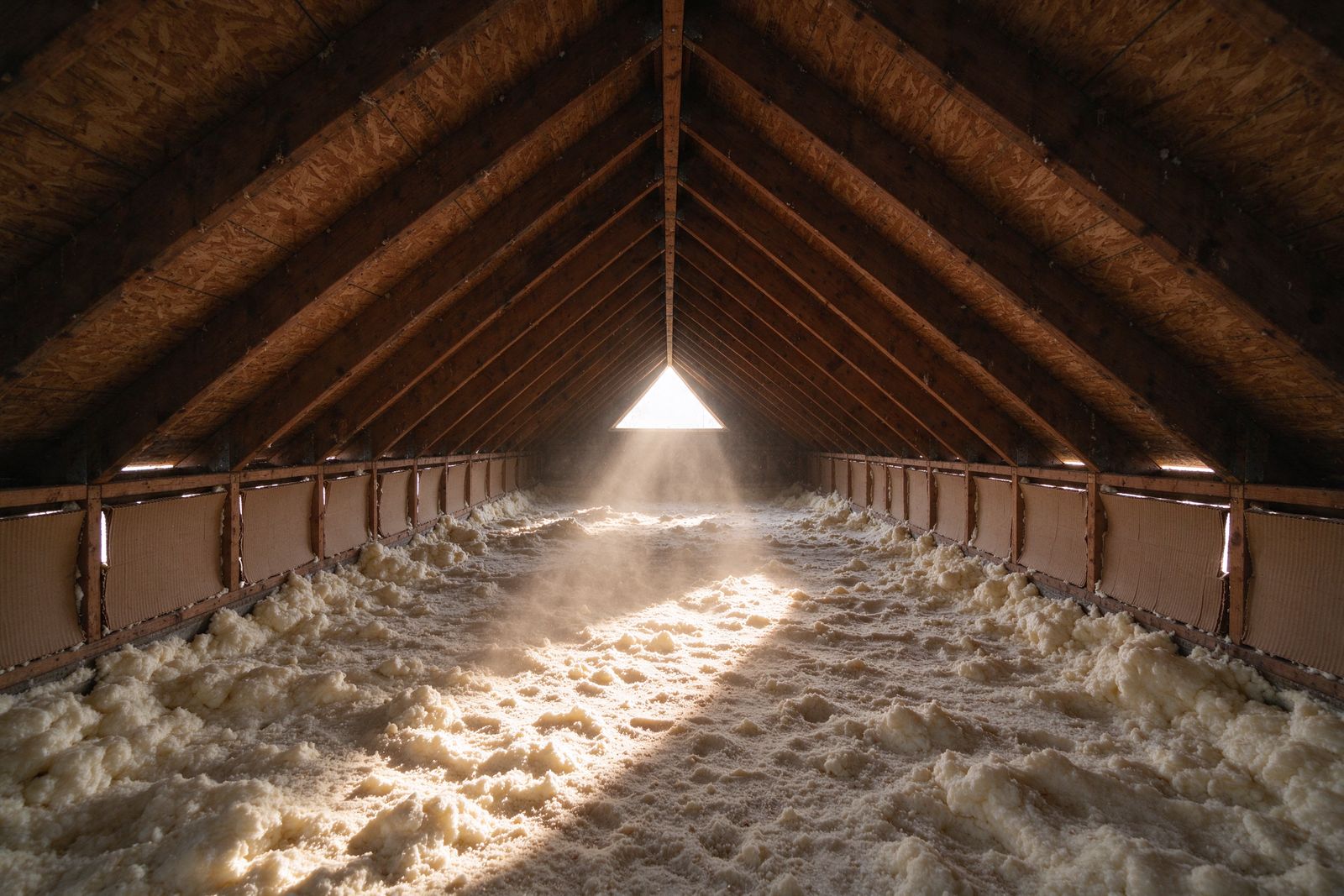
Read the attic first
Most roof problems announce themselves underneath before they show on top. Look for staining, damp insulation, rusty nail tips and frost. Bring photos to every conversation with a contractor.
Rule 02
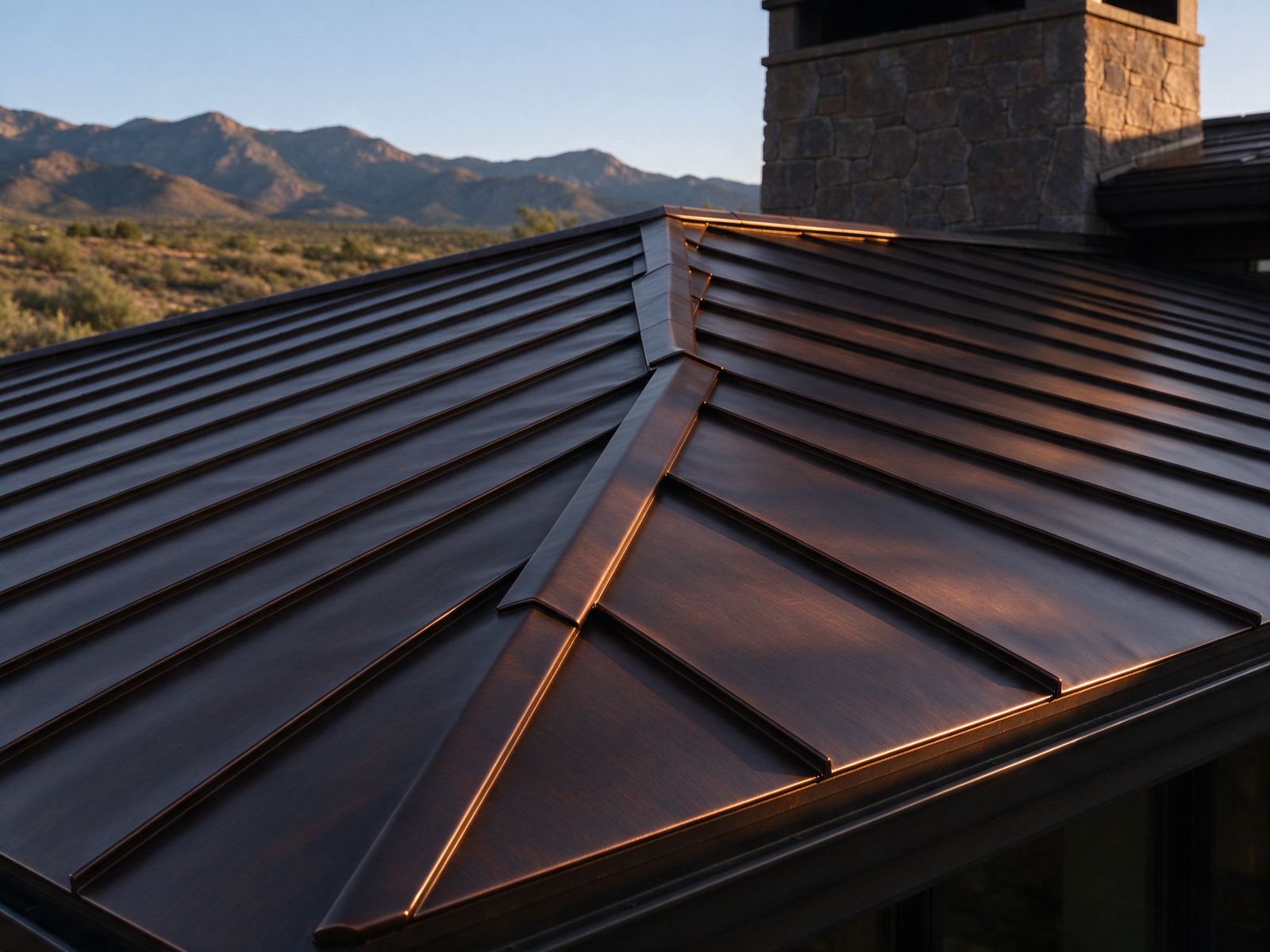
Fix airflow before shingles
A new roof over a starved attic ages fast in a Boise summer and grows ice at the eaves in winter. Ask every bidder how intake and exhaust will be balanced.
Rule 03
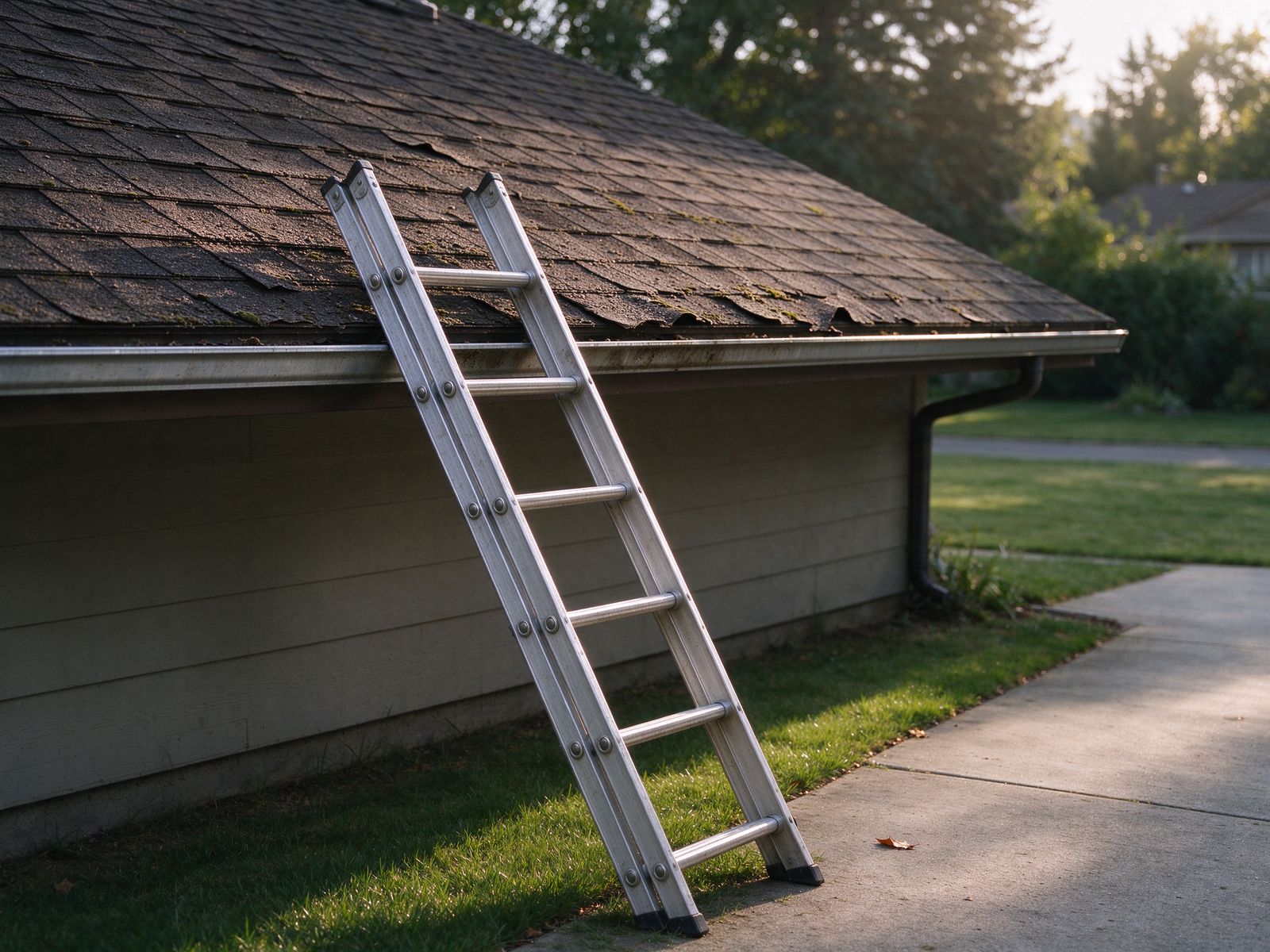
Paper beats promises
A written scope that names materials, tear-off, underlayment, ice barrier, flashing and ventilation is the only thing you can compare. Verbal assurances are not a scope.
Rule 04
Verify, then sign
Check Idaho contractor registration and current insurance yourself, confirm who pulls the permit, and read the payment schedule before anything is signed.
What to expect
What a thorough roof inspection covers
Use this as a yardstick. If an inspection skips most of these, you received a sales visit, not an inspection.
- 01
A walk around the house from the ground
Sagging ridgelines, uneven planes, stains on fascia and soffits, gutter condition and where downspouts dump water. Binoculars catch a lot before anyone uses a ladder.
- 02
The roof surface, slope by slope
Granule loss, cracking, curling, blistering, lifted tabs, exposed nail heads and wind creases on shingles; fastener and seam condition on metal; cracked or slipped pieces on tile.
- 03
Flashing and every penetration
Chimneys, skylights, sidewalls, valleys, plumbing vents and exhaust caps. Most leaks start at a transition, not in the middle of a slope.
- 04
The attic, with a light
Water staining, daylight, damp or matted insulation, frost or rusted nail tips, blocked soffit vents and bathroom fans that dump into the attic instead of outside.
- 05
Ventilation and ember exposure
Whether intake and exhaust are present and roughly balanced, and whether vents have fine metal mesh. Near open ground, debris in gutters and valleys matters for fire season.
- 06
A written report with photos
Findings, photos, the likely cause and options. A report you can hand to another contractor for a second opinion is worth more than a verbal verdict.
Seven cities, one valley
Roof notes by Treasure Valley city
The weather is shared; the housing is not. Choose a city for the questions worth raising there, then send your request with the city already filled in.
Foothills edge and older neighborhoods
Boise
Boise runs from older neighborhoods near downtown, where houses can be a century old and roofs sometimes hide more than one layer of shingles, out to newer streets that back onto the foothills. Homes that face open grass and sagebrush sit in wildland-urban interface conditions, so embers and vent screening deserve a line on the inspection list.
- Ask whether there is more than one shingle layer on older homes
- Check vents and gutters on homes near open foothills ground
- Permits: City of Boise building permits
Subdivision roofs reaching mid-life
Meridian
Much of Meridian was built in the last few decades, so many neighborhoods have roofs installed around the same time. When one roof on a street starts shedding granules, the neighbors are often not far behind. Complex rooflines with valleys and dormers are common and deserve a close look at flashing.
- Note the original install year if your records have it
- Look at valleys and step flashing on complex roofs
- Permits: City of Meridian building division
Older core, newer edges
Nampa
Nampa mixes older homes near its downtown with large newer subdivisions. Older houses can have smaller attics and less intake ventilation than current practice expects, which shows up as heat in summer and frost or ice at the eaves in winter.
- Check soffit intake on older homes before reroofing
- Ask how ventilation will be balanced on the new roof
- Permits: City of Nampa building department
Bigger roofs, more detail
Eagle
Eagle has many larger homes with steep, cut-up rooflines, and the northern edge meets the foothills. More valleys, walls and penetrations mean more flashing details, and those details fail before the field of the roof does.
- Budget inspection time for flashing, not just shingles
- Treat ember readiness as part of maintenance near open ground
- Permits: City of Eagle building department
Open ground and wind
Kuna
Many Kuna neighborhoods sit next to open farmland with few windbreaks. Wind finds the edges of a roof first: rakes, ridges and starter courses. Shingle wind ratings and the nailing pattern matter more here than the color chart does.
- Look at roof edges and ridge caps after wind events
- Ask which wind rating the proposed shingle carries
- Permits: City of Kuna building department
Fast growth, new construction
Star
Star has grown quickly, and a lot of its housing is recent. Newer roofs are usually still within their manufacturer coverage period, which makes documentation important: keep the install paperwork, and photograph any damage before anyone repairs it.
- Find and keep the original roofing paperwork
- Photograph damage before repairs on newer roofs
- Permits: City of Star building department
County seat with mixed housing
Caldwell
Caldwell, the Canyon County seat, has established neighborhoods near downtown and the college alongside newer subdivisions on its edges. The older stock brings the same questions as Nampa's: attic ventilation, roof layers and the condition of the decking under the shingles.
- Ask the inspector to check decking where it is visible from the attic
- Confirm how many layers will be torn off
- Permits: City of Caldwell building department
Straight answers
Questions homeowners ask first
Short answers here; the guides go deeper. Rules on registration and permits change, so treat anything legal as a starting point to verify.
Are you a roofing company?
No. Roofers Boise is an independent homeowner's guide. We do not sell, install, repair or inspect roofs, and we are not affiliated with any contractor, insurer or manufacturer. When you send an inspection request we read it and reply by email; any inspection or work would be done by a registered, insured contractor you choose.
How often should a Boise roof be looked at?
A common habit is a ground-level look every spring and fall, plus a closer look after any windstorm or heavy snow season. Many homeowners schedule a professional inspection before buying or selling, after a storm, or once a roof passes the middle of its expected life.
Do I need a permit to replace my roof?
Often, yes, but the rules belong to your city or county, not to us. Boise, Meridian, Nampa, Eagle, Kuna, Star and Caldwell each run their own permit process. Check with your city before work starts, and ask the contractor who pulls the permit.
Does Idaho license roofers?
Idaho requires most construction contractors to register with the state, and the registration includes proof of insurance. Roofing does not work the same way as plumbing or electrical licensing. Verify the current rules with the Idaho Division of Occupational and Professional Licenses before you hire.
Seeing something on your roof?
Tell us the city, the roof type and what you are noticing. We read every request and reply by email. Sending it does not book an inspection or commit you to anything.
Start an inspection request